A new vacationing fad is sweeping over the lives of American millennials: VOLUNTOURISM.
Voluntourism is defined as “a form of tourism in which travelers participate in some sort of voluntary work, typically for charity.” This brand of vacationing is highly appealing to young Americans right out of college wanting to see the world while helping a community in need. All do-gooding traveler ambition aside, voluntourism shouldn’t be taken lightly.
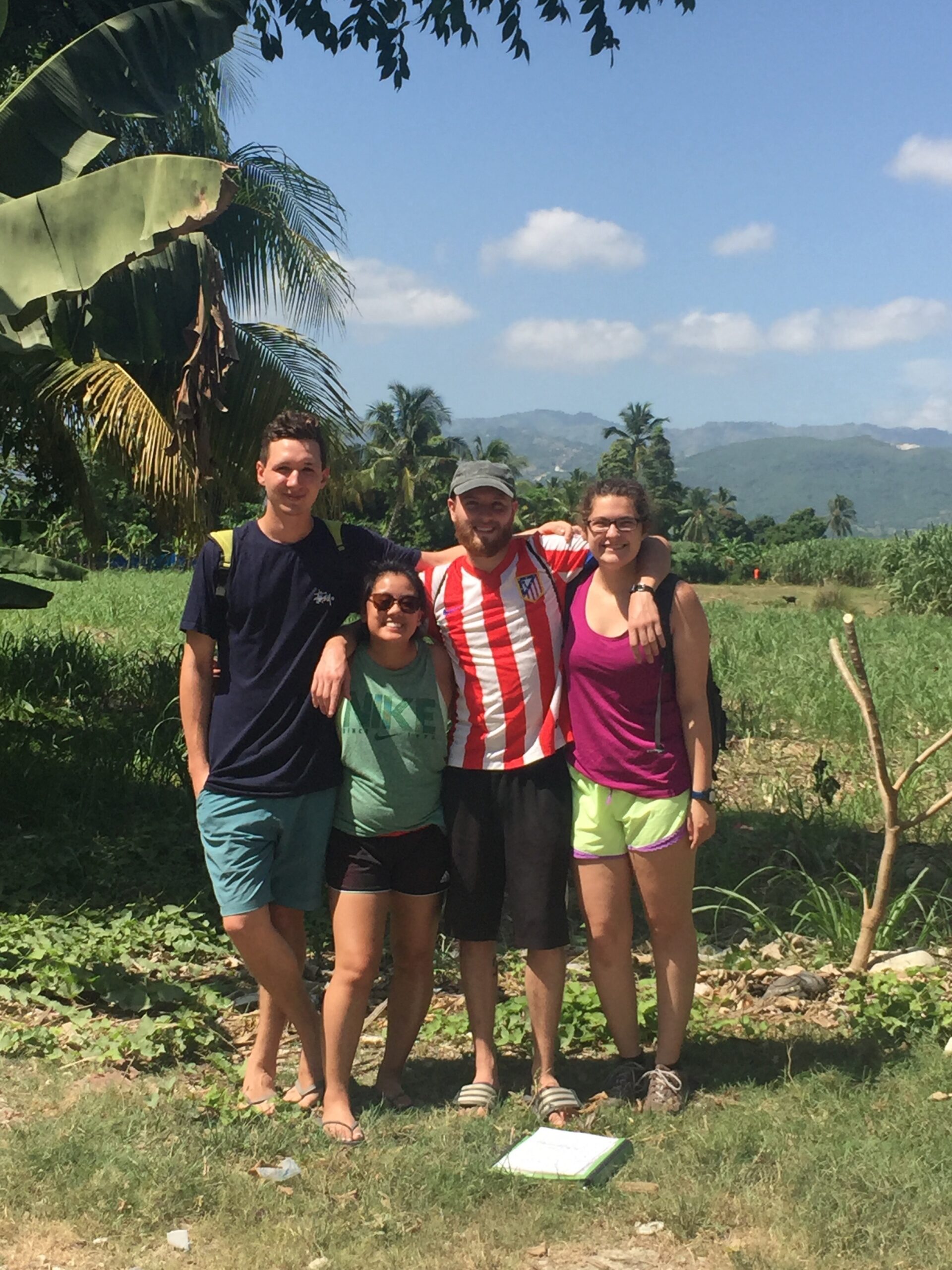
I recently took a voluntourism trip to Haiti. During my 16-day stay in Leogone, I spent my time in the organization’s compound assisting in their free weekly medical clinics and community development program. During the free clinics we supplied medication, treatment, and education on diseases and infections all at no cost. Educating so many people on the various water and mosquito borne illnesses in their area was the most valuable piece of my experience. Through follow-up appointments, we were truly able to see the difference the education made in people’s lives and saw them make changes to protect themselves from future infection. This sustainable effort will hopefully make a long-term difference in this community and save many more lives.
Here my top 3 areas of advice to elevate your voluntourism experience:
- DO YOUR RESEARCH: It’s critical to understand the demographics, culture and customs of the people your group will be serving. Without background knowledge, distance is created between the volunteers and community members because the true needs of the community are unknown. Being knowledgeable about the area and people you are serving is pertinent in being able to effectively provide the services that the community needs. Also, being aware of the history and culture of the community, you are able to be sensitive to the struggles of the community and aware of the traditions and values of the culture. This knowledge allows the volunteer to be more connected to the work, and permits members of the community to feel that their needs are being expressed.
- CREATE SUSTAINABLE IMPACT: Swooping in and making a short-term difference isn’t helpful in the long-run. Communities need sustainable programs and resources where they are engaged and empowered through the process. They need to grow from the help they’ve been given and adapt it into their culture. For instance – let’s consider when a voluntourism group comes in and builds a school. The community is immediately granted a beautiful new school but also burdened by it. If the school is ever damaged, residents struggle because they were not empowered and engaged to be a part of the building process. They don’t have the skills to fix or build a new school, they were just given a school. Providing a community with the skills and education to be able to sustain themselves is far more valuable then a school that might even be left empty due to lack of resources.
- MAXIMIZE YOUR TIME: Work with your host organization to ensure your down time is meaningful. Not all volunteer work has to be organized and regulated by your group. If there’s some down time, make the most of it. Get to know the other volunteers on your trip and their reasons for coming and desires to help. Learning their stories and sharing ideas can open your mind to new outlooks and methods to help those around you. Another important way to maximize time is by self-reflecting. Being able to understand the work you are doing and the impact it is having on those around you is so important. With this new-understanding you can take the skills and leadership from your voluntourism trip back home with you and implement them in places of need. Being able to take what you’ve learned and apply it somewhere else is the key to success.
If you or someone you know is considering a voluntourism experience, please be thoughtful about your impact – both within the host community and within yourself. I know it made a huge difference for me and I bet it will for you too.
This post was written by Julia Brown, SparkVision intern.